
Hariyali Research Institute

Research . Development . Innovation . Application

Working Toward Sustainable Socioeconomic Development

Hariyali Research Institute (HRI) was established on 8 February 2021, as a not-for-profit company (not distributing profit) under the Company Registration Act (Registration number 255208/077/078). It is also registered under VAT in 2021 (VAT number 609929407). The Institute is managed by a five-member board that has full responsibility for all policies and decisions on the well-functioning of the company. The Executive Chairperson is responsible for the Institute’s overall management and implementing the policies and decisions adopted by the Board. The Institute aims to contribute to the su...

News

Latest updates and stories from our organization

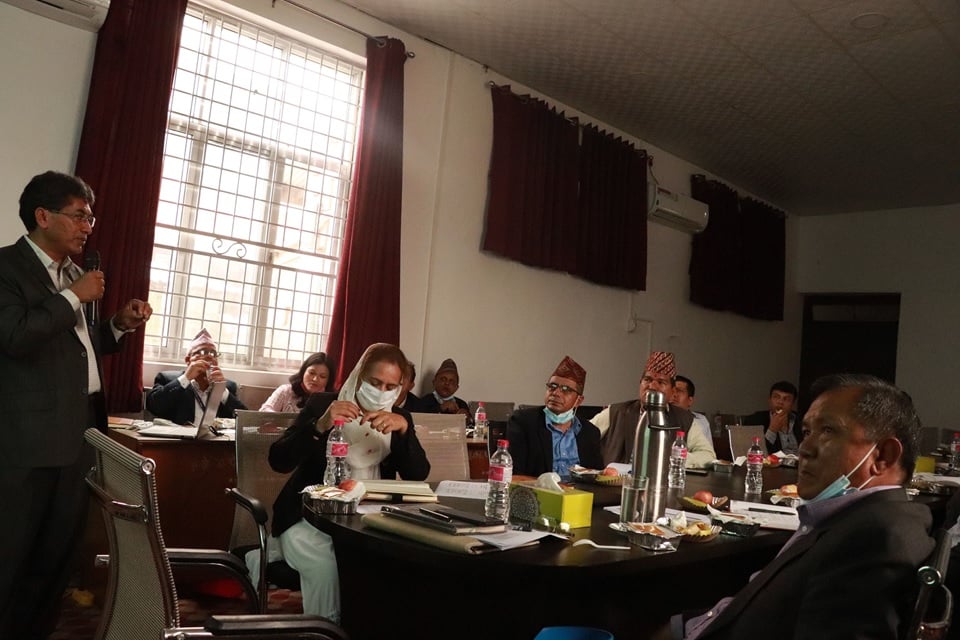
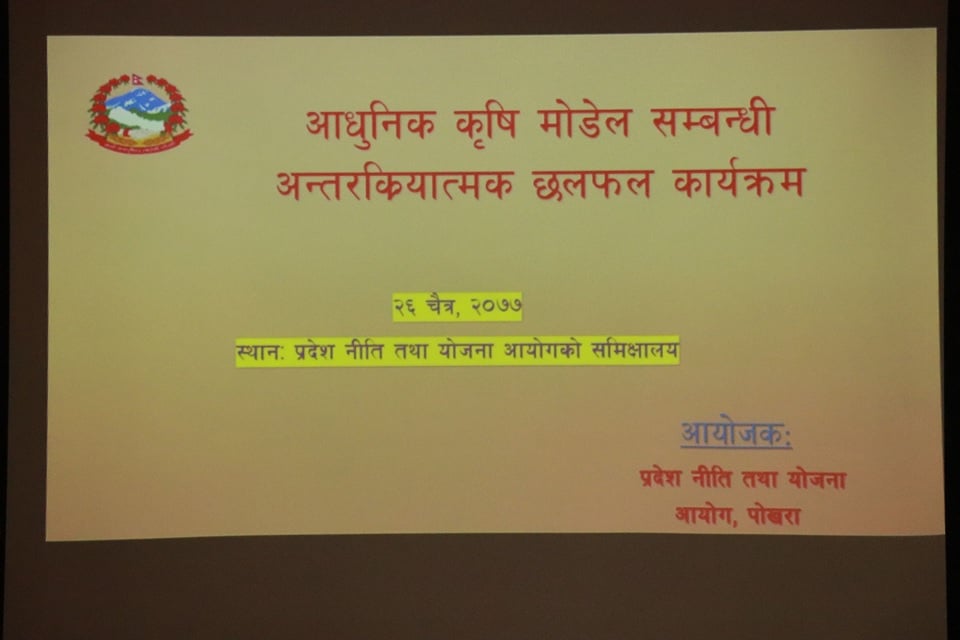
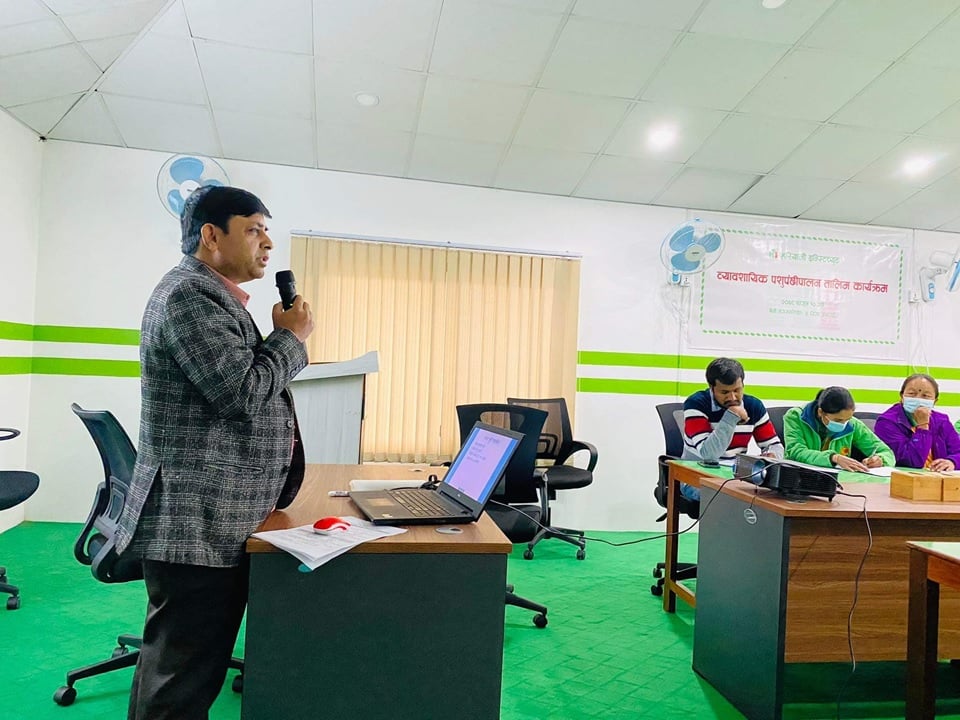
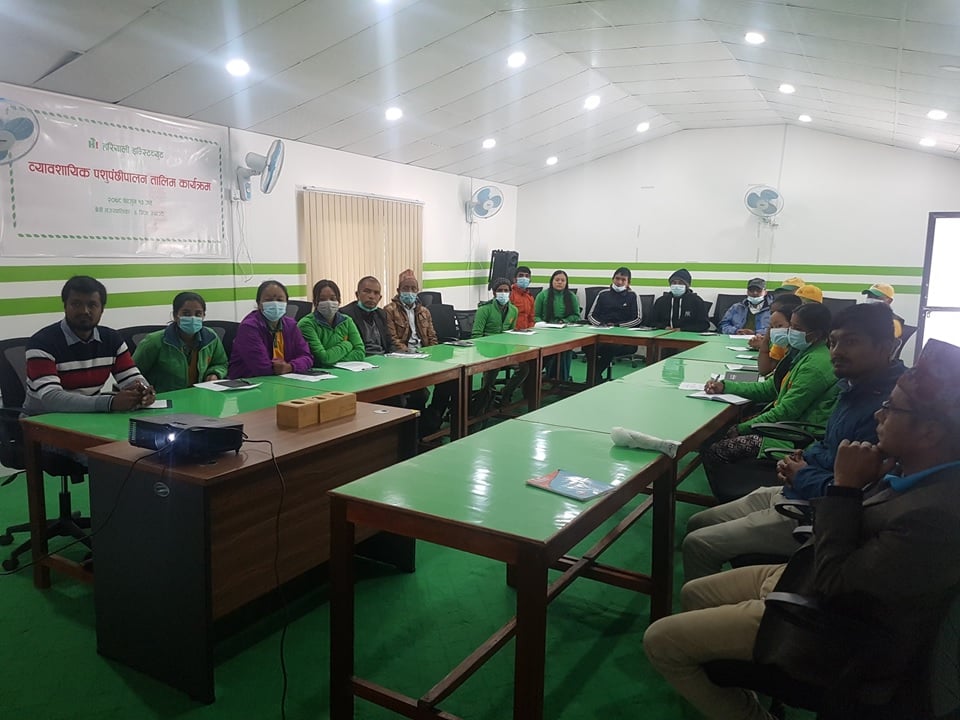
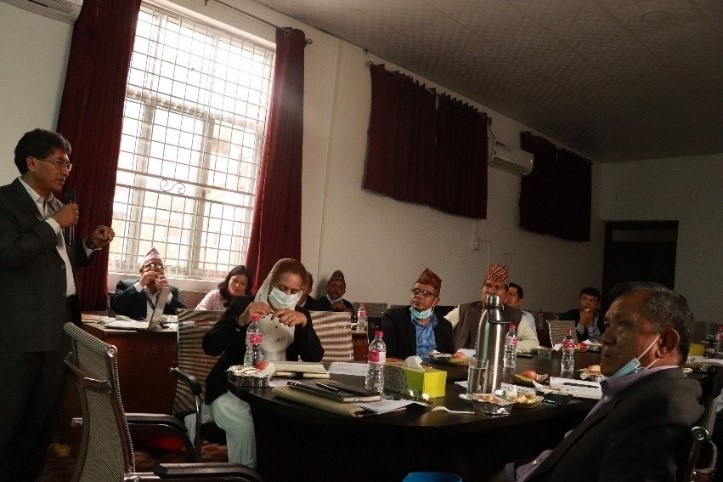
Interaction Program Organized in Gandaki Province
Interaction Program Organized in Ga...

Gandaki Province, Policy and Planning Commission organized an interaction program on Hariyali model ...

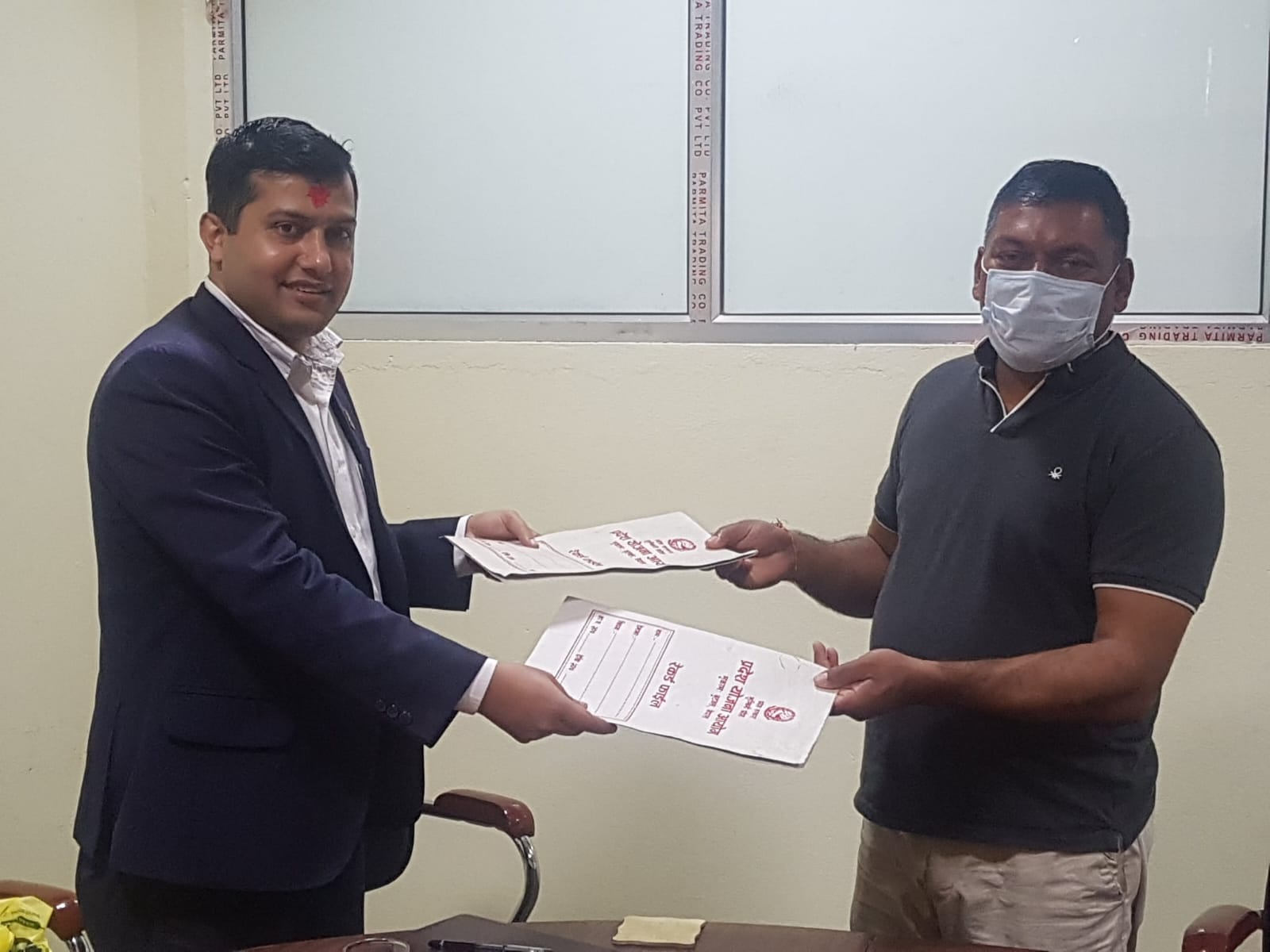
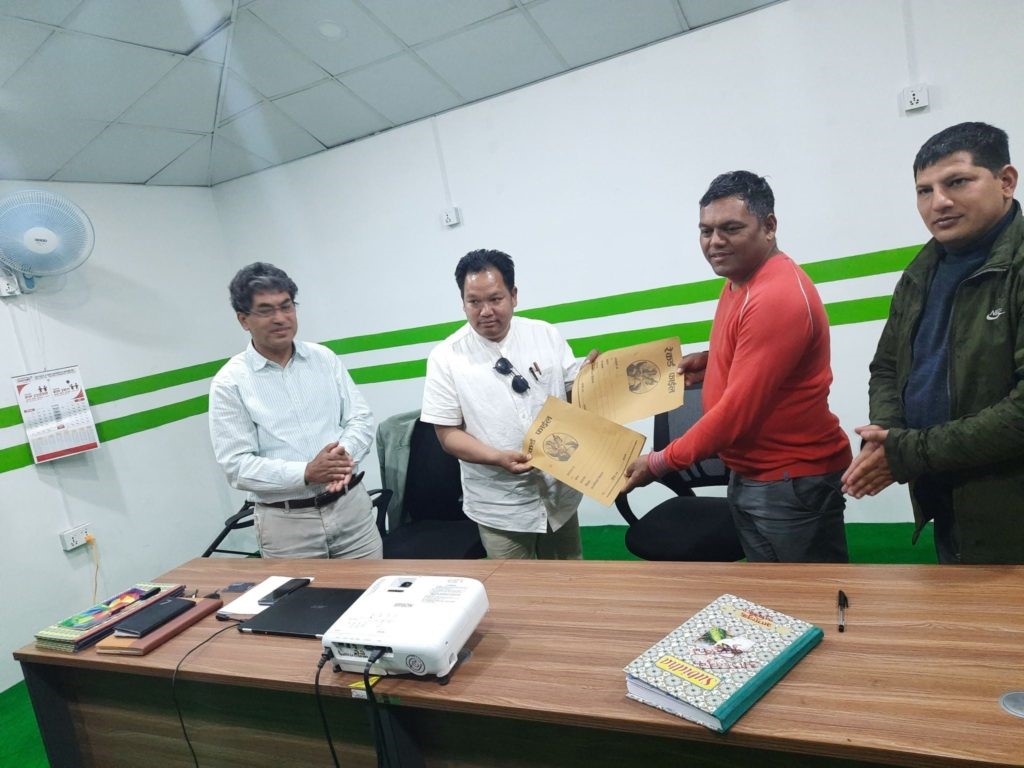
Agreement Signed with Sunil Smriti Rural Municipality
Agreement Signed with Sunil Smriti...

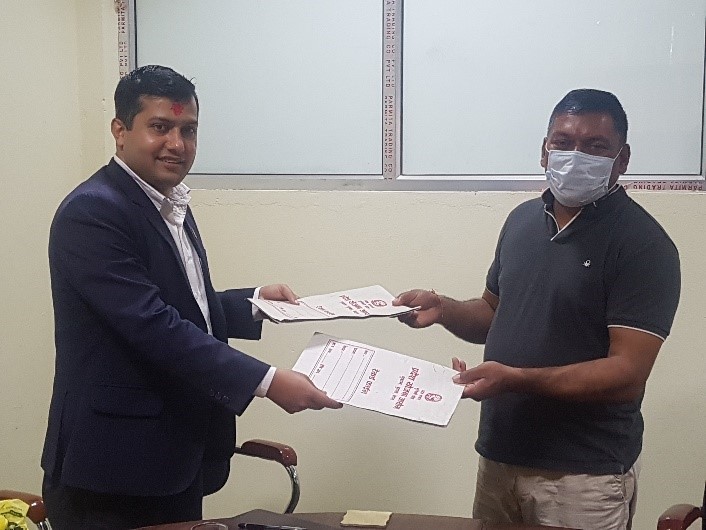
A team led by Gundendra Gharti, the chief of the Sunil Smriti rural municipality of Rolpa district, ...

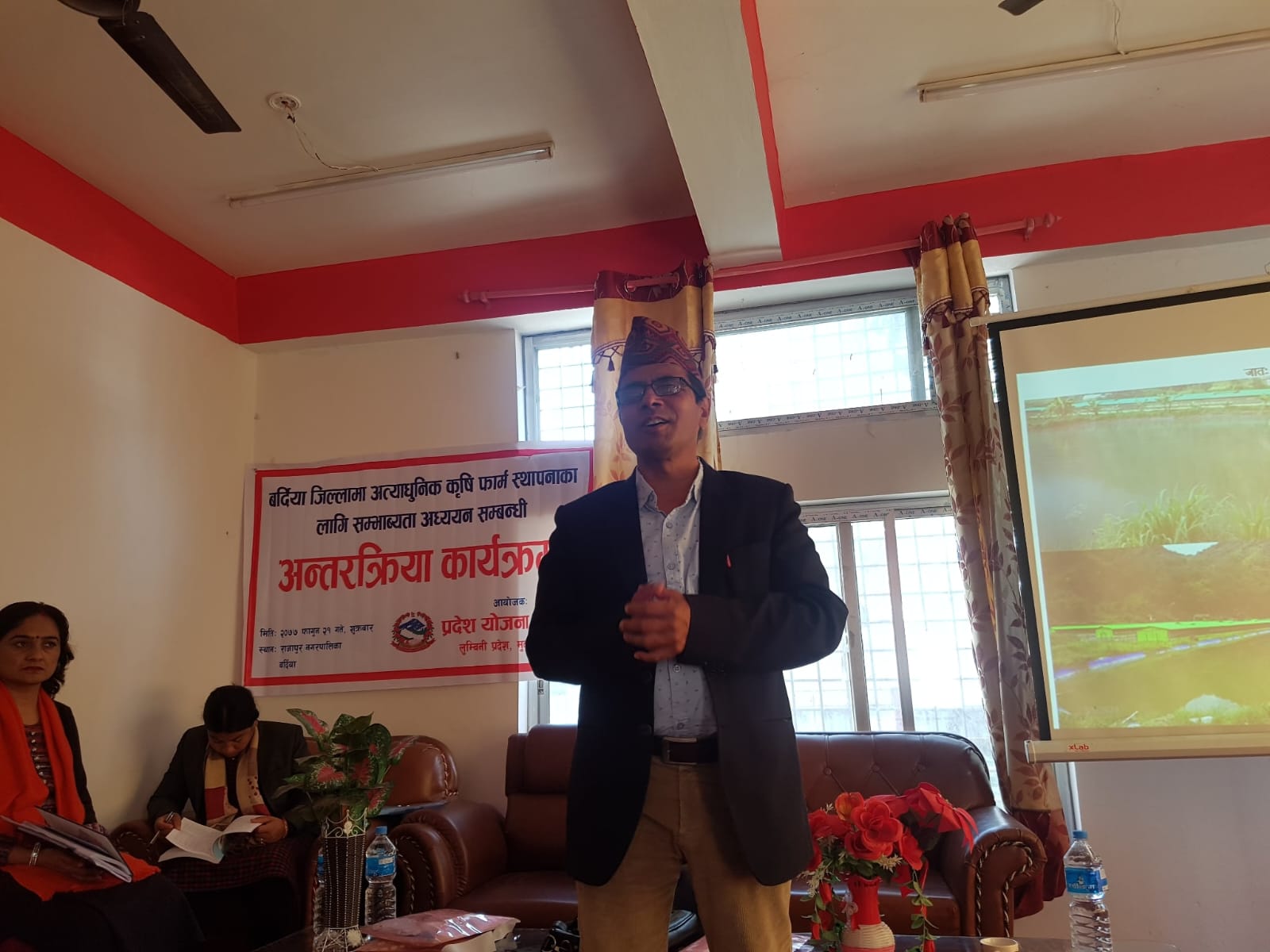
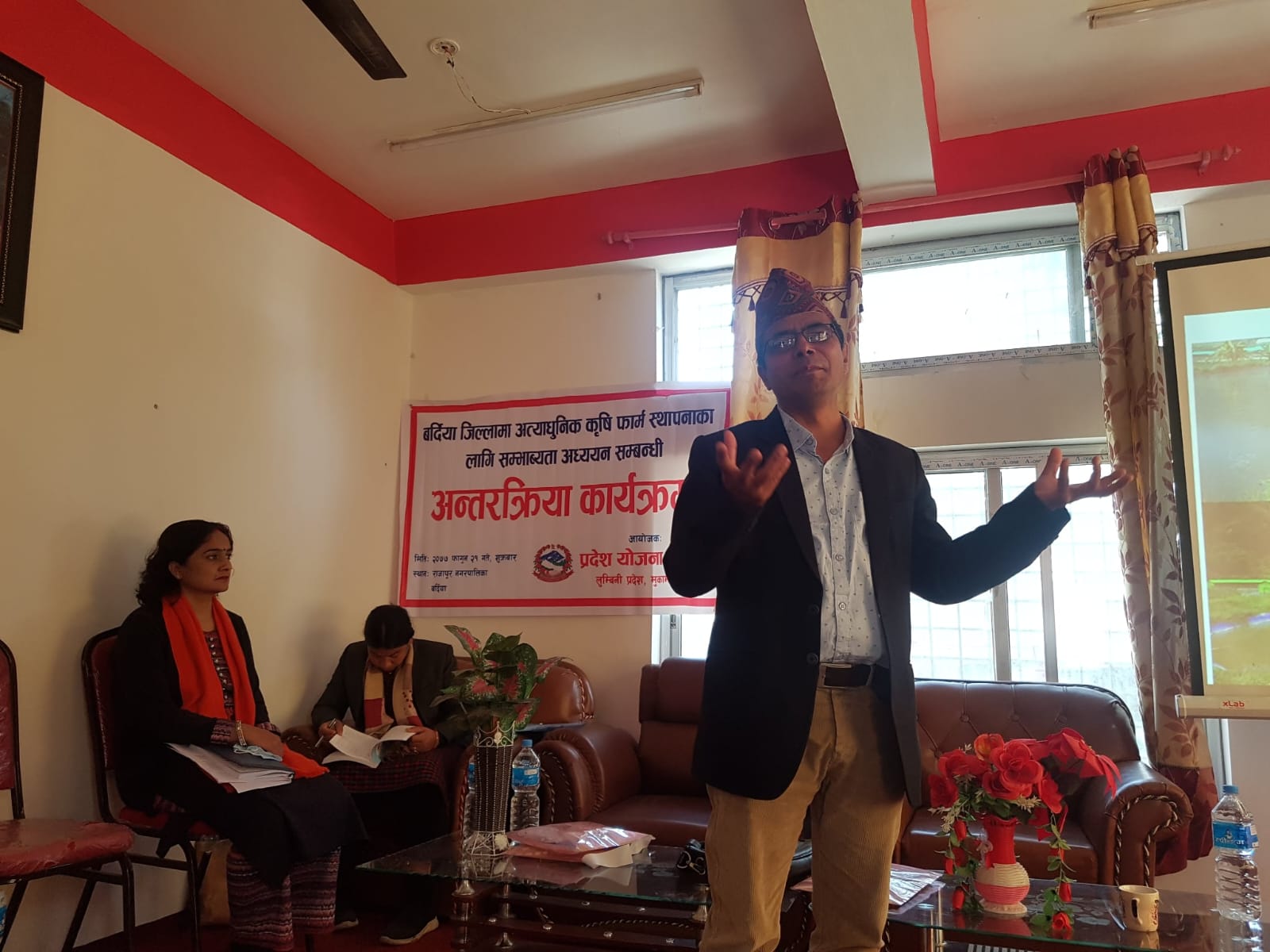
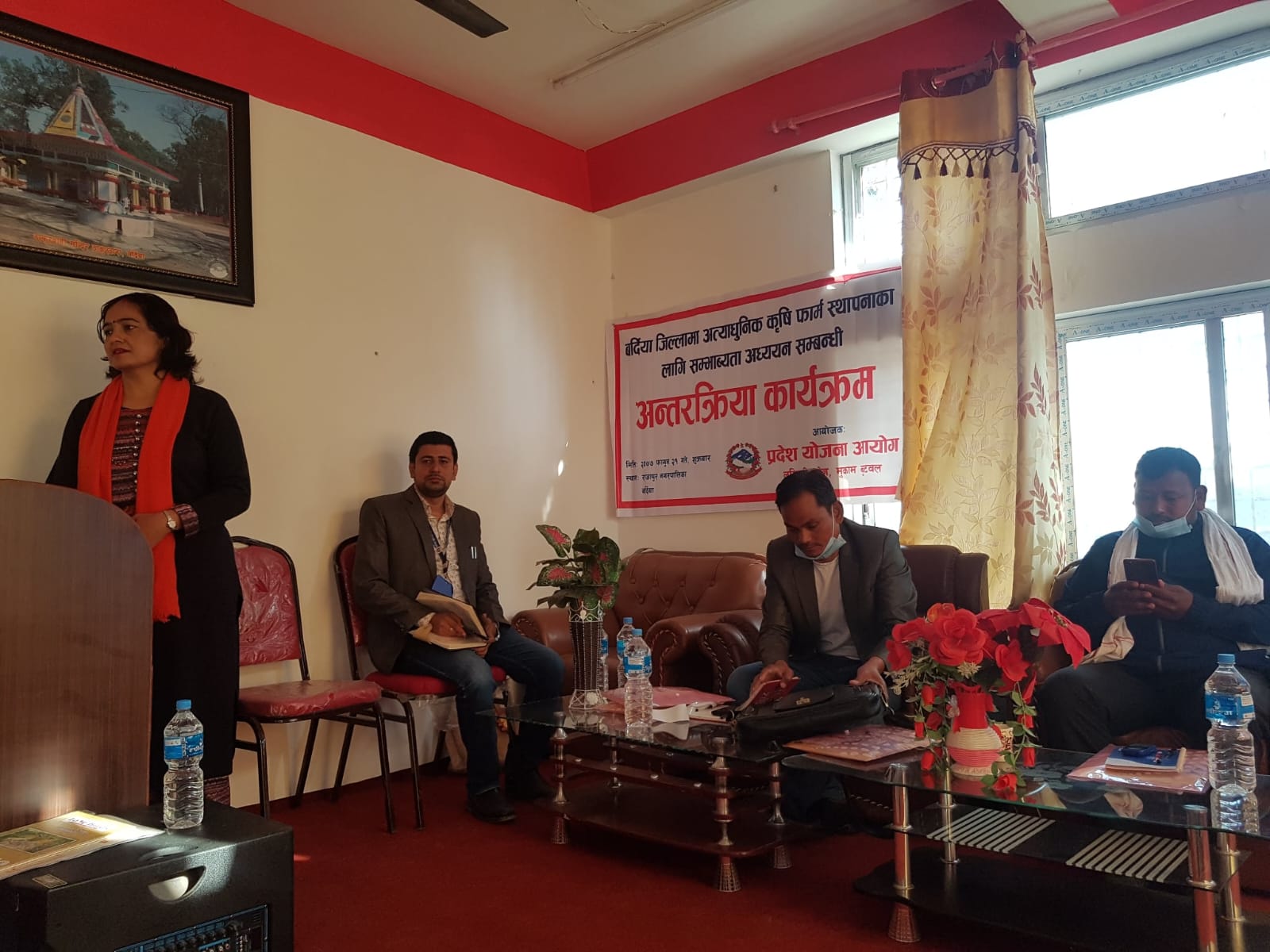
Modern Agricultural Farm to be established in Bardia District
Modern Agricultural Farm to be esta...

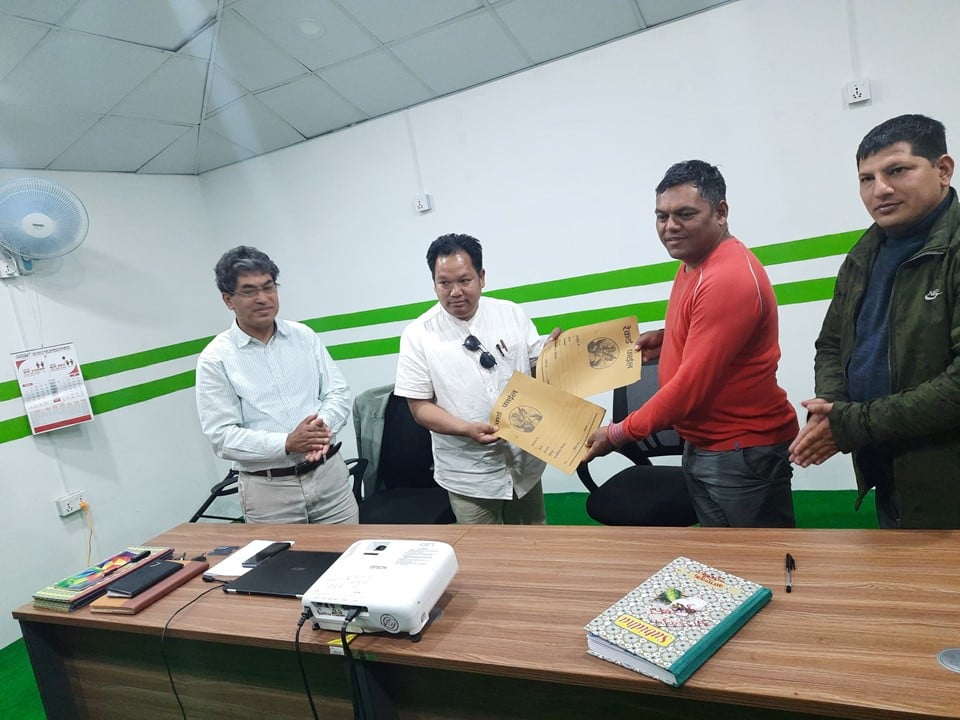
Hariyali institute and Lumbini Province, Planning Commission signed an agreement in connection with ...

HRI Profile

Institutional Strengths and Competencies

1. Organization Structure

Hariyali Institute is led by a strong and dynamic team. Currently, there are four directors (Admin and Finance, Research and Development, Capacity Building, and Communication and Networking) and supporting staff for the administration and management of the company.
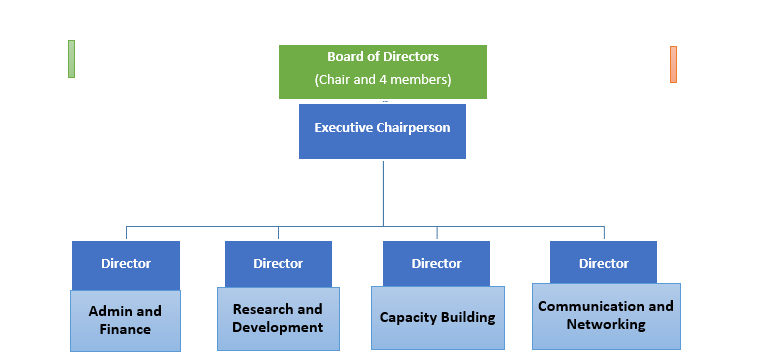
HRI Organization Structure
Hariyali Research Institute Organization Structure

2. Our Experts

Our professional experts lead Seven thematic clusters. To ensure competency and inclusivity, various clusters integrate expertise across the domains like environmental sustainability (biodiversity, natural resource, circular economy, regenerative practices), social inclusion and equity (gender, indigenous knowledge, marginalized communities), economic resilience (sustainable business model, green finance, impact investing), policy and governance (environment, social and governance, i.e., ESG compliance, international frameworks), and technology and innovation.

List of Experts

3. Completed Projects

Related Videos

Watch our latest videos and presentations

No videos found.